

Addressing Common Challenges in Residential Roofing: Common Roofing Issues Solutions
- Dec 30, 2025
- 4 min read
When it comes to your home, the roof is one of the most important parts to keep in great shape. But roofing problems can sneak up on you, and they often come with a hefty price tag if ignored. I’ve seen it all—from small leaks to major structural damage—and I’m here to help you tackle these challenges head-on. Let’s dive into some of the most common roofing issues and, more importantly, how you can solve them effectively!
Understanding Common Roofing Issues Solutions
Roofing problems don’t have to be a nightmare. Knowing what to look for and how to fix it can save you time, money, and stress. Here are some of the most frequent issues homeowners face and practical solutions you can apply.
1. Leaks and Water Damage
Leaks are the most common roofing problem. They often start small but can cause serious damage if left untreated. Water can seep into your attic, walls, and insulation, leading to mold growth and structural decay.
How to spot leaks:
Water stains on ceilings or walls
Damp or musty smells in the attic
Missing or damaged shingles
Solutions:
Inspect your roof regularly, especially after storms.
Replace damaged shingles immediately.
Seal flashing around chimneys, vents, and skylights.
Consider installing a waterproof underlayment for extra protection.
If you’re unsure about the extent of the damage, don’t hesitate to call in professionals who specialize in residential roofing services. They can provide a thorough inspection and recommend the best course of action.

2. Poor Ventilation and Its Effects
Proper ventilation is crucial for a healthy roof. Without it, heat and moisture build up in your attic, causing shingles to deteriorate faster and increasing your energy bills.
Signs of poor ventilation:
Excessive heat in the attic during summer
Ice dams forming in winter
Mold or mildew growth
How to fix it:
Install ridge vents or soffit vents to improve airflow.
Ensure your attic insulation is not blocking vents.
Regularly check and maintain your ventilation system.
Good ventilation extends the life of your roof and keeps your home comfortable year-round.
How to Tell if a Roofer is Lying?
Choosing the right roofer can be tricky. Unfortunately, not all contractors are honest or skilled. Here’s how you can protect yourself from being misled.
Red Flags to Watch For:
Unrealistically low bids: If a quote sounds too good to be true, it probably is.
Pressure tactics: Beware of contractors pushing you to sign immediately.
Lack of credentials: Always ask for licenses, insurance, and references.
No written contract: Never agree to work without a detailed contract.
Vague explanations: A trustworthy roofer will explain the problem and solution clearly.
What You Should Do:
Get multiple quotes and compare them.
Ask for proof of insurance and licensing.
Check online reviews and ask for references.
Request a detailed written estimate.
Trust your gut—if something feels off, keep looking.
Being informed helps you avoid scams and ensures your roof gets the care it deserves.
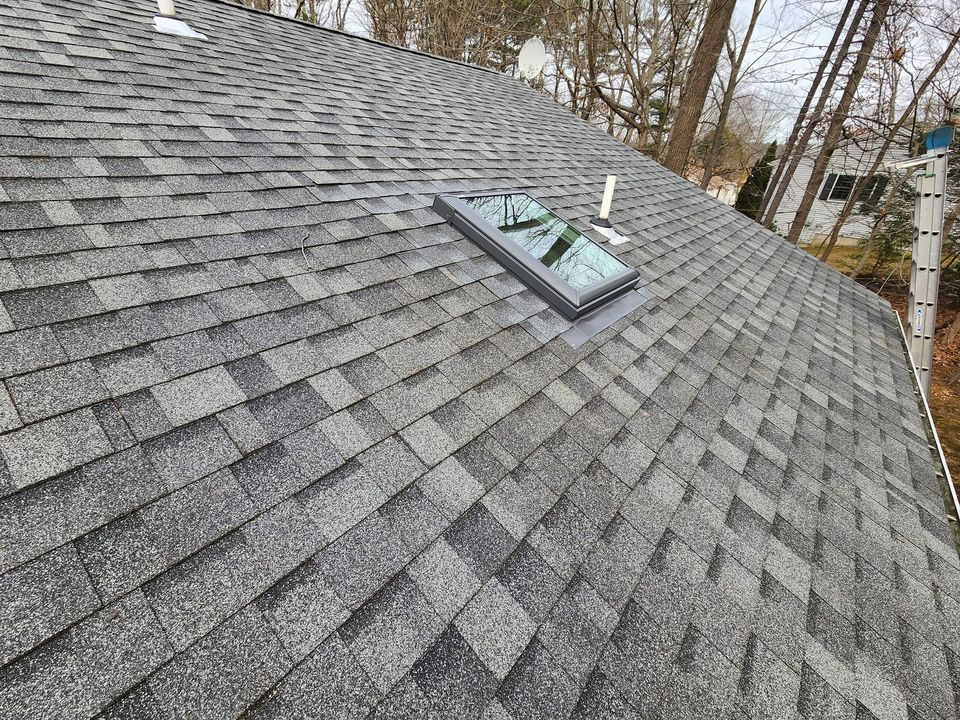
Dealing with Weather-Related Damage
In places like Hudson, NH, weather can be harsh. Snow, ice, wind, and rain all take a toll on your roof. Understanding how to handle weather-related damage is key to maintaining your home’s protection.
Snow and Ice Damage
Ice dams form when heat escapes through your roof, melting snow that refreezes at the edges. This can cause water to back up under shingles and leak inside.
Prevention tips:
Improve attic insulation and ventilation.
Use roof rakes to remove heavy snow.
Install ice and water shields along roof edges.
Wind Damage
Strong winds can lift or tear off shingles, exposing your roof to leaks.
What to do:
Inspect your roof after storms.
Replace missing or damaged shingles promptly.
Secure loose flashing and vents.
Rain and Moisture
Heavy rain can reveal weak spots in your roof.
Action steps:
Check for clogged gutters and downspouts.
Repair cracks or holes in roofing materials.
Maintain proper drainage around your home.
Regular maintenance and quick repairs keep your roof resilient against the elements.
When to Repair vs. Replace Your Roof
Knowing when to repair and when to replace your roof can save you money and headaches. Here’s how to decide.
Repair If:
Damage is localized (a few shingles or small leaks).
Your roof is less than 10 years old.
The structure underneath is sound.
Replace If:
Your roof is over 20 years old.
There are widespread leaks or damage.
You notice sagging or structural issues.
Repairs are becoming frequent and costly.
A professional inspection can help you make the right choice. Remember, investing in a quality roof protects your entire home.
Taking Care of Your Roof for the Long Haul
Your roof deserves regular attention. Here are some simple tips to keep it in top shape:
Schedule annual inspections: Catch problems early.
Clean gutters regularly: Prevent water buildup.
Trim overhanging branches: Avoid damage from falling limbs.
Remove debris: Leaves and dirt can trap moisture.
Address issues promptly: Don’t wait for small problems to grow.
By staying proactive, you’ll extend your roof’s life and avoid costly repairs.
Your home’s roof is your first line of defense against the elements. By understanding common roofing challenges and how to solve them, you can protect your investment and enjoy peace of mind. If you ever feel overwhelmed, remember that expert residential roofing services are just a call away. Quality Driven Exteriors is committed to helping homeowners in Hudson, NH, and beyond with reliable, trustworthy roofing solutions...and don't forget we do SKYLIGHTS too!
Let’s keep your home safe and sound together!


Comments